When the lights go out, the silence can be deafening — but not as deafening as the alarm bells ringing in your head about spoiled food, uncharged devices, or an inability to work from home. Choosing the right home backup power system isn't just about avoiding inconvenience; it's about securing your peace of mind and, in some cases, safeguarding your property and family. The decision often comes down to balancing immediate costs with long-term benefits, and increasingly, homeowners are weighing natural gas vs. other home backup power options, from diesel generators to sophisticated home battery setups.
This isn't a one-size-fits-all equation. Your ideal solution will hinge on your home's energy needs, your location, local utility rates, and your personal priorities regarding noise, environmental impact, and ongoing maintenance. Let's break down the contenders so you can make an informed choice that truly powers your life, not just your house.
At a Glance: Key Takeaways for Backup Power
- Generators (Natural Gas, Diesel, Propane) offer lower upfront costs and reliable power during outages.
- Natural Gas Generators are convenient with a continuous fuel supply from your utility line, burn cleaner, and require less maintenance. However, they're fixed and dependent on the gas grid.
- Diesel Generators are highly efficient for large homes or frequent outages, with on-site fuel storage providing independence. They are louder, have higher emissions, and need more maintenance.
- Home Battery Systems are a cleaner, quieter, and low-maintenance alternative, offering year-round financial benefits (like reducing electric bills with time-of-use rates) beyond just outage support.
- Batteries + Solar create an incredibly resilient system that recharges without grid power and significantly reduces your carbon footprint, though the upfront cost is higher.
- Incentives Matter: Federal tax credits, especially for solar + battery systems, can significantly offset initial costs but have expiration dates.
- Cost vs. Value: Consider not just the purchase price but also installation, fuel, maintenance, and potential savings or benefits over the system's lifespan.
Why Your Home Needs a Power Playbook
Extreme weather events, aging infrastructure, and increased grid demand mean power outages are becoming more frequent and often longer. A robust home backup system isn't a luxury; for many, it's a necessity. Beyond the immediate comfort of keeping lights on and refrigerators running, backup power can:
- Maintain critical medical equipment: Life-saving devices often rely on a constant power supply.
- Protect your home's infrastructure: Preventing pipes from freezing in winter or sumps from failing during heavy rain.
- Keep you connected: Powering internet routers and charging phones allows you to stay informed and reach out for help.
- Preserve productivity: If you work from home, an outage doesn't have to mean lost income.
Understanding the core differences between your options will empower you to choose a system that aligns with your specific needs and budget.
The Big Picture: Generators vs. Batteries
Before diving into fuel types, it's crucial to understand the two fundamental categories of home backup power: traditional generators and modern home battery systems. Each offers a distinct approach to keeping your lights on.
Traditional Generators: The Workhorses of Emergency Power
When most people think of backup power, they picture a generator. These machines convert fuel into electricity, and they've been the go-to solution for decades.
The Upside of Generators:
- Lower Upfront Cost: Generally, the initial purchase price for a generator is less than a comparable home battery system.
- Instant Power: Once started, they deliver power directly to your home's electrical panel (for whole-house models) or to specific appliances (for portable units).
- Scalability: Available in various sizes, capable of powering everything from a few essential circuits to an entire large home.
The Downside of Generators: - Fuel Dependency: They require a continuous supply of fossil fuel (natural gas, propane, or diesel), which can be problematic during widespread disasters when supplies are scarce or delivery is impossible.
- Noise & Emissions: Generators are large, loud machines that produce exhaust fumes, including harmful carbon monoxide. They must be operated outdoors in well-ventilated areas.
- Maintenance & Lifespan: Like any engine, they need regular maintenance (oil changes, filter replacements) and shouldn't run daily. Their operational lifespan is measured in hours rather than decades of continuous use.
- Outage-Only Benefits: Their primary function is emergency power. They don't offer any financial or grid benefits when the power is on.
Home Battery Systems: The Silent Revolution
Home battery systems represent a newer, cleaner approach to backup power. They store electricity, often charged from the grid or solar panels, and deploy it when needed.
The Upside of Batteries:
- Clean & Quiet: Emitting no pollutants or noise, batteries can be installed indoors or out.
- Zero Emissions (with Solar): When paired with solar panels, they provide completely clean energy, making your home truly independent and eco-friendly.
- Low Maintenance: With no moving parts, maintenance is minimal compared to generators.
- Year-Round Financial Benefits: Beyond outages, batteries can save you money. If you have time-of-use (TOU) utility rates, batteries can charge when electricity is cheap and discharge when rates are high, significantly reducing your electric bills.
- Grid Independence: With solar, batteries can recharge even when the grid is down, offering extended resilience without needing fuel deliveries.
- Incentives: Many battery systems, especially when paired with solar, are eligible for significant tax credits and rebates, making them more affordable. The federal solar tax credit, offering 30% off, is a major factor, though it's set to expire after December 31, 2025.
The Downside of Batteries: - Higher Upfront Cost: The initial investment for a battery system is typically higher than a generator, though incentives can help. A 13.5 kWh home backup battery might cost around $9,400 after incentives, while an 11 kW solar system with a 13.5 kWh battery could be around $30,000 net upfront.
- Professional Installation Required: DIY installation is risky and often voids warranties, requiring a certified electrician.
- Capacity Limits: While powerful, battery systems have a finite capacity. You need to carefully size them to cover your essential loads for the desired duration.
Deep Dive: Traditional Generator Fuels — Natural Gas vs. Diesel
If you're leaning towards a traditional generator, the choice of fuel type is paramount. It impacts everything from your operating costs and convenience to environmental impact and maintenance demands.
Natural Gas Generators: The Utility-Connected Choice
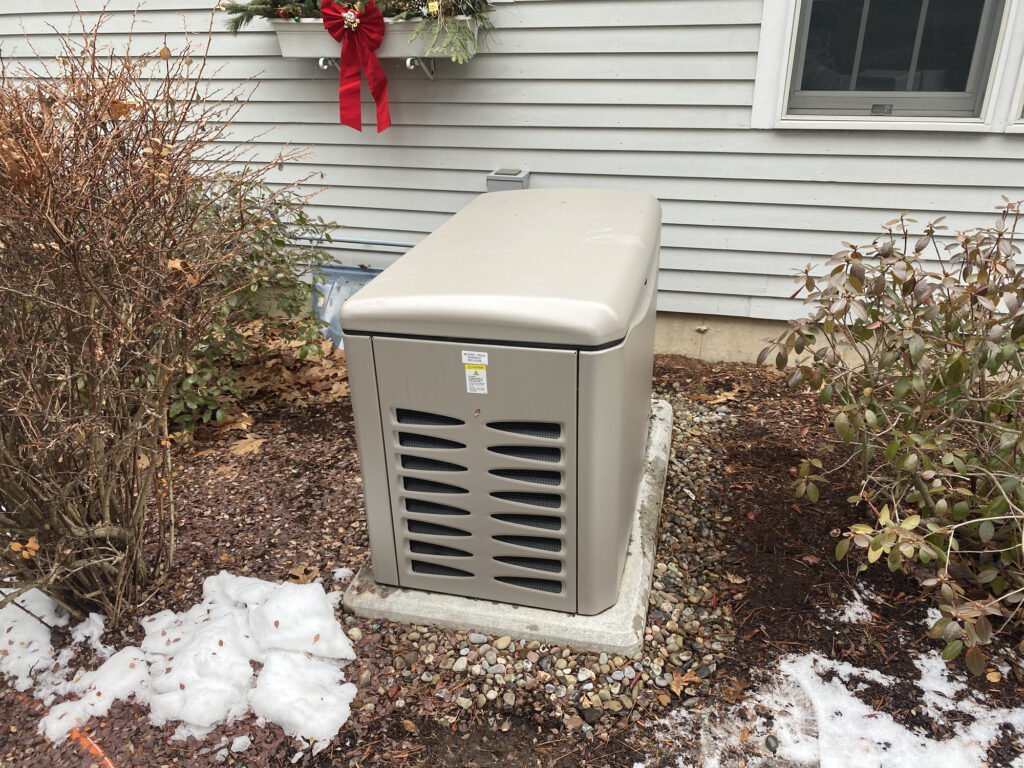
Natural gas generators are whole-house systems connected directly to your home's natural gas utility line. This direct connection is a game-changer for long outages. For those considering natural gas generators for homes, understanding their unique attributes is key.
Pros:
- Continuous Fuel Supply: This is their biggest advantage. As long as the natural gas utility line is active, your generator has an unending fuel source. No need to store fuel tanks or worry about refueling during an emergency.
- Low Maintenance: Natural gas burns cleaner than diesel or propane, resulting in less residue and buildup in the engine. This translates to fewer oil changes and filter replacements, making understanding generator maintenance schedules simpler.
- Lower Operating Costs: Natural gas is often more affordable per therm than diesel or propane, leading to long-term savings on fuel, especially if you experience frequent or extended outages.
- Environmentally Friendlier: While still a fossil fuel, natural gas produces fewer greenhouse gases and particulates compared to diesel, making it a relatively cleaner option among generators.
Cons: - Dependence on Utility Supply: If a widespread disaster disrupts natural gas lines (e.g., an earthquake or major pipeline failure), your generator will be without fuel. This is a vulnerability to consider.
- Higher Initial Setup Costs: Beyond the generator itself, you'll incur costs to connect it to your existing gas line. If an extension or upgrade to your gas meter is needed, these expenses can add up.
- Less Portable: Due to the fixed utility connection, natural gas generators are permanent installations and cannot be easily moved.
- Lower Efficiency: Natural gas generators typically offer slightly lower power output per unit of fuel compared to diesel.
Ideal for: Urban and suburban homes with reliable natural gas services, homeowners who prioritize convenience and lower ongoing maintenance, and those anticipating frequent or extended use where continuous fuel is a major advantage.
Diesel Generators: Power for the Long Haul
Diesel generators are often chosen for their robust performance and efficiency, especially in demanding situations.
Pros:
- High Efficiency & Power: Diesel engines are known for their efficiency and ability to handle heavy loads, making them suitable for powering large homes or businesses with high energy demands.
- Reliability: Diesel generators are engineered for durability and dependable power, often chosen for critical applications during extended outages.
- Independence from Utilities: With on-site diesel fuel storage, you're not dependent on active utility lines, offering greater preparedness if gas lines or electricity grids are compromised.
- Wide Availability: Diesel fuel is widely accessible and can be stored for extended periods (with proper conditioning).
Cons: - Higher Emissions: Diesel generators produce more greenhouse gases, nitrogen oxides, and particulate matter than natural gas generators, contributing more to local air pollution.
- Noisy Operation: Diesel generators are typically louder than natural gas or propane models, which can be a nuisance for neighbors and residents.
- Regular Maintenance Required: The combustion of diesel fuel produces more soot and residue, necessitating more frequent and rigorous upkeep, including oil changes, filter replacements, and fuel system cleanings.
- Fuel Storage Challenges: Storing diesel fuel requires proactive management to prevent degradation (e.g., using fuel stabilizers) and ensure safety compliance.
Ideal for: Large homes or those with significant energy needs, rural or remote locations without natural gas access, disaster-prone areas where utility lines are frequently compromised, and homes experiencing very frequent or extended outages where on-site fuel is critical.
What About Propane Generators?
While not detailed in the provided ground truth, propane generators are a common alternative worth mentioning as part of "Other Home Backup Power Options." Propane offers a middle ground: it can be stored on-site in tanks (like diesel, offering independence) but burns cleaner than diesel (closer to natural gas). It's typically more expensive per BTU than natural gas but can be more convenient for homes without a natural gas line than relying on diesel storage and its associated maintenance. This makes propane generators an alternative often considered by many homeowners.
Making Your Choice: Key Decision Criteria
Navigating the options can feel overwhelming, but by breaking it down into key criteria, you can clarify what matters most for your situation. To properly size your home backup system, you'll need to consider these factors alongside your energy needs.
1. Upfront vs. Ongoing Costs
- Generators (Natural Gas, Diesel, Propane): Generally have a lower initial purchase and installation cost compared to home battery systems. However, ongoing fuel costs can add up, especially with frequent or long outages. Maintenance also represents an ongoing expense.
- Home Battery Systems: Higher upfront cost, but this can be significantly offset by incentives. With solar, fuel costs are zero. Maintenance is minimal. The potential for savings on electric bills (through TOU optimization) provides a return on investment beyond just backup power.
2. Environmental Impact
- Natural Gas Generators: Produce fewer emissions than diesel, but still rely on a fossil fuel.
- Diesel Generators: The highest emissions among common generators, contributing to air pollution and greenhouse gases.
- Home Battery Systems (especially with Solar): The cleanest option. With solar, they produce zero emissions and significantly reduce your carbon footprint, offering a path to energy independence.
3. Maintenance & Convenience
- Natural Gas Generators: Low maintenance due to cleaner burn. High convenience with continuous utility-line fuel supply.
- Diesel Generators: Require more frequent and thorough maintenance due to soot and residue. Fuel storage and management add another layer of effort.
- Home Battery Systems: Very low maintenance. The ultimate in convenience as they automatically switch on/off and manage energy flow.
4. Reliability & Fuel Supply
- Natural Gas Generators: Highly reliable if the gas utility line remains intact. Vulnerable if gas infrastructure is compromised.
- Diesel Generators: Extremely reliable, particularly with on-site fuel storage. Fuel quality and degradation over time need management.
- Home Battery Systems: Highly reliable. With solar, they offer unparalleled resilience, recharging without grid assistance. Dependence on sun for recharging, which can be limited during prolonged cloudy periods.
5. Beyond Outages: Everyday Benefits
- Generators: Primarily an outage-only solution. They sit idle most of the time, only costing money for maintenance and occasional test runs.
- Home Battery Systems: Offer year-round benefits, including energy bill savings (TOU optimization), participation in grid services (where available), and increased energy independence, helping you maximize the benefits of solar battery storage.
6. Installation Considerations
- Generators: Require careful placement outdoors for ventilation and noise considerations. Natural gas generators need a connection to the gas line; diesel generators require a safe and compliant fuel storage solution. Professional installation by licensed electricians and gas fitters is essential.
- Home Battery Systems: Can be installed indoors or outdoors. Require professional electrical installation. If paired with solar, roof or ground-mount solar panel installation is also necessary.
7. Incentives & Return on Investment (ROI)
- Generators: Typically fewer direct incentives, though local rebates for energy-efficient appliances might occasionally apply. ROI is primarily in avoided costs of spoiled food or lost productivity during outages.
- Home Battery Systems (especially with Solar): Significant federal tax credits (e.g., 30% federal solar tax credit expiring Dec 31, 2025) and state/local rebates can drastically reduce upfront costs. The ROI includes these incentives, energy bill savings, and the value of resilience.
Common Questions & Misconceptions
Let's clear up some common points of confusion you might have when considering your backup power options.
Can I DIY a home backup power system installation?
While some portable generators are designed for simple plug-and-play operation, whole-house generators and home battery systems are complex electrical installations. They involve high voltages, fuel lines, and connections to your home's main electrical panel. Attempting a DIY installation is extremely dangerous and can lead to electric shock, fire, carbon monoxide poisoning, or damage to your home and equipment. It will also likely void warranties and violate local building codes. Always use licensed electricians and qualified professionals.
How long can a generator run continuously?
The runtime of a generator depends on its fuel type, fuel tank size (for diesel/propane) or gas line integrity (for natural gas), and load. Natural gas generators, with their continuous utility connection, can theoretically run indefinitely as long as the gas supply isn't interrupted. Diesel and propane generators are limited by their on-site fuel supply. Most generators are designed for extended runs during outages but require regular oil changes and maintenance checks during prolonged operation to prevent damage.
Are home battery systems truly "off-grid"?
A home battery system paired with solar panels can certainly provide significant off-grid capabilities, especially if sized correctly to power essential loads and recharge daily. However, for most homeowners, the system remains grid-tied. This allows you to draw power from the grid when your solar panels aren't producing enough or your batteries are low, and potentially sell excess energy back to the grid. True 100% off-grid living requires careful energy management and often a larger investment in storage and generation than a typical backup system.
What about the noise level of these systems?
Traditional generators, particularly diesel models, can be quite loud, often producing decibel levels comparable to a lawnmower or vacuum cleaner when running. Natural gas generators are generally quieter than diesel but still produce noticeable noise. Home battery systems, on the other hand, are virtually silent, making them ideal for urban areas or homes with close neighbors.
Your Next Steps: Powering Your Peace of Mind
Choosing between natural gas, diesel, or a battery backup system is a significant decision that impacts your home's resilience, finances, and environmental footprint for years to come. There's no single "best" option; only the best solution for you.
- Assess Your Needs: What do you absolutely need to power during an outage? How long are your typical outages? What's your budget for upfront costs versus ongoing expenses?
- Evaluate Your Location: Do you have natural gas access? Are you in a sunny area suitable for solar? Do local regulations permit fuel storage?
- Consult with Experts: Get quotes and advice from reputable installers for both generator and battery solutions. They can help you accurately size a system for your home and navigate local permits and incentives.
- Consider Long-Term Value: Look beyond the sticker price. Factor in fuel costs, maintenance, potential energy bill savings, and the expiration of incentives like the federal tax credit. The peace of mind that comes with reliable backup power is invaluable.
By carefully considering these factors, you can invest in a backup power solution that not only keeps your lights on but also enhances your home's value, comfort, and independence for whatever the future holds.