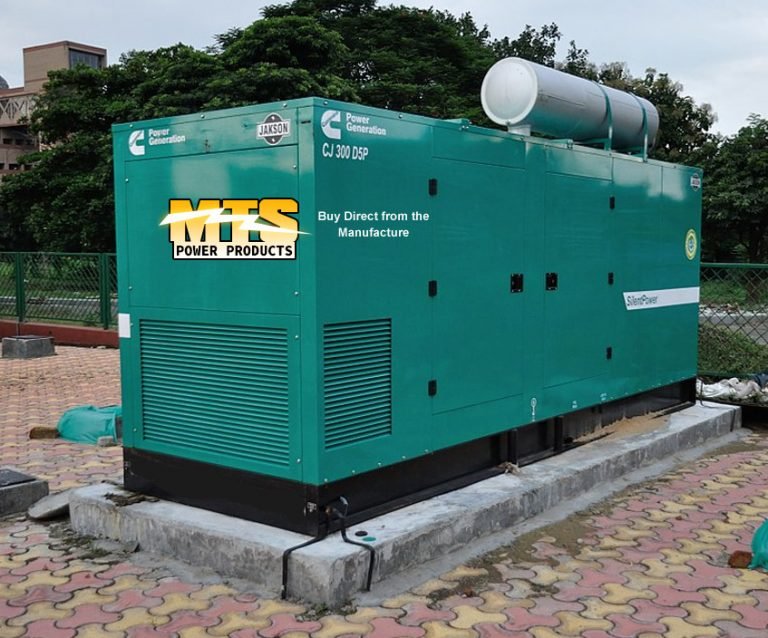
In an unpredictable world, ensuring your home remains a sanctuary of comfort and convenience, even during widespread power outages, is more crucial than ever. For many homeowners, the solution lies in the steady, reliable power of a natural gas generator. These units offer an automatic, hands-off approach to backup power, seamlessly kicking in when the grid goes down and keeping your lights on, appliances running, and family comfortable.
No more fumbling with extension cords or worrying about fuel runs; a natural gas generator is designed for true peace of mind. It’s an investment in uninterrupted living, providing a direct connection to your home’s existing natural gas line for a continuous fuel supply that can last for days, or even weeks.
The Uninterrupted Comfort of Natural Gas Backup
Imagine a severe storm hitting, and while your neighbors are plunging into darkness, your home transitions to backup power within seconds – automatically. This seamless shift is a hallmark of modern natural gas generators. Unlike portable gasoline models that require constant refueling, natural gas units connect directly to your home's gas line, offering an essentially limitless fuel supply. This means sustained power for as long as the outage lasts, providing security and convenience without manual intervention.
Many leading models, like the Generac 18kW Home Standby Generators (7226 and 7228), feature True Power Technology, delivering clean electricity with less than 5% harmonic distortion. This quality power is safe for even your most sensitive electronics. Plus, innovations in engine design and enclosure mean these generators operate with remarkable quietness, a significant advantage in residential areas. To truly grasp the nuts and bolts of how these systems work and why they're a superior choice for permanent home backup, explore our deep dive into Understanding Home Natural Gas Generators.
Finding the Perfect Fit: Sizing and Selecting Your Generator
Choosing the right natural gas generator for your home isn't a one-size-fits-all decision; it’s about matching power output to your specific needs. Do you want to cover just the essentials, or power your entire home as if the lights never went out? Generator capacity is measured in kilowatts (kW), and your home's size and appliance demands will dictate what you need.
- Small Homes (1,000-1,500 sq. ft.): Typically require 7kW-12kW to cover essential circuits like refrigerators, lights, and a few small electronics.
- Medium Homes (1,500-3,000 sq. ft.): Often need 13kW-20kW to power most household needs, including HVAC systems, multiple appliances, and entertainment centers. The Generac 7224 14kW generator, for example, offers a great balance of power and efficiency for this range, often with a 100A, 16-circuit transfer switch for targeted coverage.
- Large Homes (3,000+ sq. ft.): May require 22kW-48kW or more, especially if you have electric water heaters, central air conditioning, or numerous high-demand appliances. The Champion Power Equipment 22kW Home Standby Generator is a robust option in this category, known for its fuel versatility (natural gas or propane) and intelligent power management.
It’s always best to list your critical appliances, sum their wattage, and add at least 20% for startup spikes. While whole-home standby generators are the primary focus for permanent installation, options like the DuroMax 16,000-Watt Tri-Fuel Portable Generator demonstrate the versatility available, even if a portable unit like this still requires manual connection and management for natural gas use. For detailed guidance on calculating your power needs and exploring the best options on the market, our guide on Choosing the Right Gas Generator provides comprehensive advice.
Beyond the Purchase: Professional Installation and Permitting
Acquiring a natural gas generator is just the first step; proper installation is paramount for safety, efficiency, and compliance. Given the complexities of electrical wiring and gas line connections, professional installation by licensed electricians and plumbers is not just recommended, but typically required. They ensure your generator is correctly sited, safely connected to your home's electrical system via an automatic transfer switch (like the 200A switch included with the Generac 7228), and properly linked to your natural gas supply.
Professional installers will also handle the necessary permits and inspections, which are crucial for ensuring your generator meets local building codes and safety standards. This often involves planning for a concrete pad, extending the gas line, and integrating the transfer switch seamlessly into your electrical panel. Skimping on this critical step can lead to hazardous situations or costly future repairs. Dive deeper into the specifics of planning and executing a safe installation by reviewing our comprehensive resource on Natural Gas Generator Installation &.
Investing Smart: Costs, Fuel Efficiency, and Return on Investment
A natural gas generator represents a significant investment, but one that offers substantial long-term value and peace of mind. The initial cost for the generator unit itself typically ranges from $3,000 to $15,000, depending on its power output and features. However, the total cost, encompassing installation labor, electrical work, gas line extensions, a transfer switch, and permits, can bring the overall investment to $5,000-$25,000. While a 14kW-20kW unit might cost $5,000-$10,000 for installation, larger units will naturally incur higher associated costs.
When it comes to ongoing expenses, natural gas offers a distinct advantage: a continuous, typically more stable fuel cost compared to propane or gasoline. Fuel consumption varies by generator size and load, but for context, a 20kW generator running at full load might consume 190-220 cubic feet per hour (CFH). At an average cost of $1-$2 per 1,000 cubic feet, this translates to roughly $5-$10 per hour of operation under heavy load, with consumption decreasing significantly at partial loads. While this represents an operational cost, the return on investment often comes from preventing food spoilage, avoiding temporary housing costs during extended outages, protecting electronics, and enhancing your property's resale value. To thoroughly understand the financial aspects and long-term benefits, be sure to explore our guide on Costs, Fuel Efficiency, and ROI.
Keeping Your Power On: Maintenance, Troubleshooting, and Longevity
Like any sophisticated machinery, a natural gas generator requires routine maintenance to ensure it performs reliably when you need it most. Most home standby generators are designed for low maintenance, thanks to robust engines like Generac’s G-Force Engine, engineered and assembled in the USA. However, regular checks – such as oil changes, filter replacements, and general inspections – are crucial. Many modern units simplify this with features like Wi-Fi-enabled Mobile Link systems, allowing you to monitor your generator's status, receive alerts, and schedule maintenance remotely from your smartphone or computer. This proactive approach helps catch minor issues before they become major problems.
Even with the best care, occasional troubleshooting might be necessary. Understanding common issues and knowing when to call a certified technician can save you time and stress. A well-maintained natural gas generator can provide dependable backup power for many years, offering an exceptional lifespan. For detailed maintenance schedules, common troubleshooting tips, and advice on maximizing your generator's lifespan, consult our dedicated pillar on Maintenance, Troubleshooting, and Longevity.
Your Path to Uninterrupted Power
Investing in a natural gas generator for your home is more than just buying a piece of equipment; it's about investing in security, comfort, and peace of mind. From understanding the core technology to sizing, installation, financial considerations, and ongoing care, each step contributes to ensuring your home remains powered through any challenge. By leveraging the insights and detailed information in our comprehensive pillar guides, you’ll be well-equipped to make an informed decision and safeguard your home against unexpected power outages. Take control of your home's power future today.