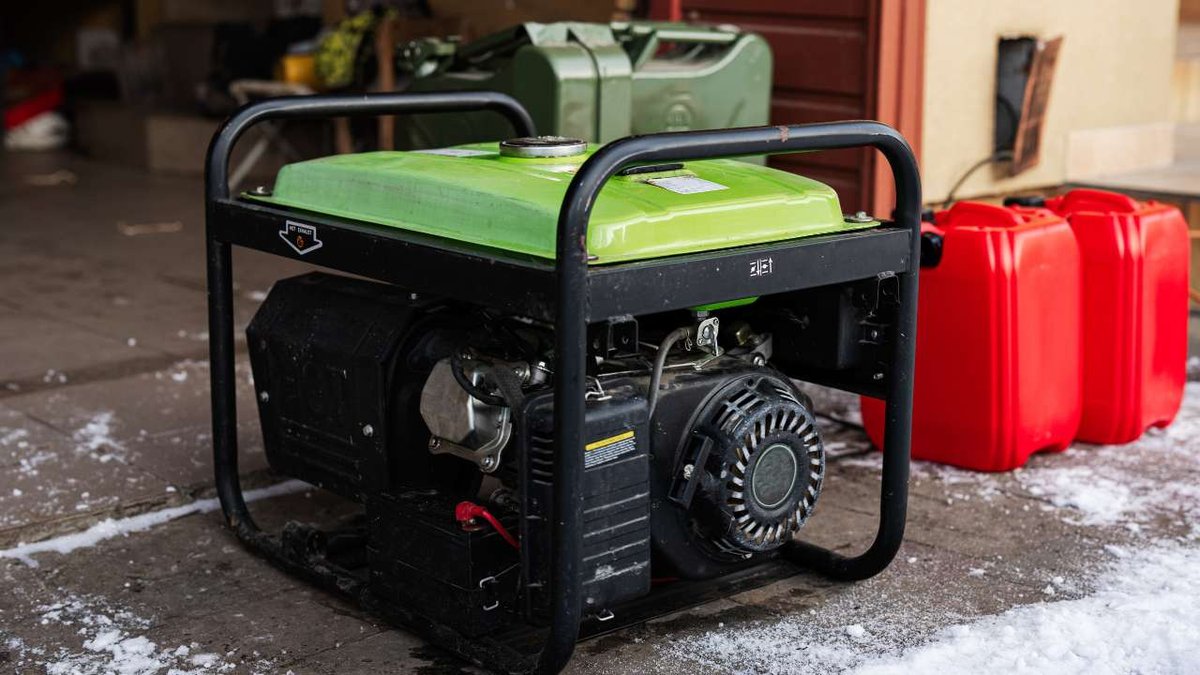
When considering an investment in backup power, few decisions are as critical or complex as choosing the right generator. For many businesses and discerning homeowners, the discussion quickly turns to natural gas (NG) generators, often pitting them against their diesel counterparts. The real game-changer isn't just the upfront price tag, but a deeper dive into the Costs, Fuel Efficiency, and ROI of NG Generators over their entire lifespan. It's about understanding the full picture – from the hum of the engine to the stability of your energy bills and the peace of mind that comes with reliable power.
This isn't a simple purchase; it's a strategic infrastructure decision. We'll unpack everything you need to know, cutting through the noise to deliver clear, actionable insights that help you make the smartest choice for your specific needs.
At a Glance: What You'll Learn About NG Generators
- Fuel Efficiency: While diesel generators may offer higher energy density, natural gas units provide competitive thermal efficiency (30-40%) coupled with predictable pricing and cleaner combustion.
- Upfront Costs: Generator units range from $15,000 (30 kW) to $500,000+ (500 kW+). Installation typically adds $5,000-$25,000, influenced by site complexity and local factors.
- Operational Savings: Natural gas draws directly from utility lines, eliminating fuel deliveries and storage. Running costs are competitive, often $0.08-$0.15 per kWh, depending on gas rates and generator efficiency.
- Maintenance: Cleaner burn means less residue, but NG generators require specific attention to ignition systems and spark plugs. Annual commercial maintenance is roughly $1,000-$2,000.
- Environmental Edge: Significantly lower emissions of NOx, particulate matter, and CO2 make NG generators a preferred choice for environmental compliance and sustainability goals.
- Total Cost of Ownership (TCO): Despite potentially higher upfront costs, NG generators often yield superior long-term ROI through fuel stability, reduced environmental impact, and seamless integration.
- Ideal Use Cases: Best suited for urban or compliance-focused sites needing clean, quiet, and integrated energy. Consider hybrid options for ultimate flexibility and resilience.
Natural Gas Generators: A Core Component of Modern Energy Resilience
In today's interconnected world, an interruption to your power supply can halt operations, compromise safety, and cost a fortune. That's why backup generators are no longer a luxury but a fundamental necessity for businesses, critical infrastructure, and even many homes. While diesel generators have long been the industry workhorse, natural gas generators are increasingly gaining traction, driven by evolving environmental standards, fuel availability, and economic considerations. Understanding their nuanced advantages and costs is paramount.
When you're comparing power solutions, it's rarely a one-size-fits-all scenario. Many factors come into play: the environment, regulatory landscape, specific application, and, of course, the budget. A generator isn't just a machine; it's an integral part of your operational continuity plan.
Fuel Efficiency Face-Off: Natural Gas vs. Diesel
At the heart of any generator's long-term cost is its fuel efficiency—how much power you get for your energy input. It's often where the natural gas versus diesel debate gets most intense.
Diesel, with its high energy density (roughly three times that of natural gas), traditionally excels in fuel-to-power conversion. A diesel generator can operate longer on less fuel and handle heavy loads with impressive efficiency, often achieving thermal efficiencies around 40% under optimal conditions. This makes them formidable for sustained, high-demand operations.
Natural gas generators, on the other hand, typically achieve thermal efficiencies in the range of 30-40%. While this might seem slightly lower on paper, NG generators compensate in other critical ways. They offer cleaner combustion and, crucially, more predictable fuel pricing. With a reliable pipeline infrastructure, natural gas delivers competitive performance without the logistical complexities of fuel storage and delivery that diesel demands. It’s not just about the raw numbers; it’s about the holistic operational context.
Installation & Infrastructure: Beyond the Unit Price
The journey to an operational generator starts long before the engine turns over. Installation and infrastructure requirements significantly influence your upfront investment.
What Natural Gas Generators Demand
Choosing an NG generator means connecting to an existing utility gas system. This isn't just plugging it in; it involves adhering to strict safety requirements and often requires specialized piping and connections. While this can add upfront complexity and cost, particularly if your site needs extensive gas line routing or new infrastructure, it becomes surprisingly streamlined and cost-effective in built environments where gas lines are readily available. Think of it as a one-time investment in convenience. Considering aspects like gas line installation safety standards is paramount for both compliance and long-term peace of mind.
The Diesel Contrast
Diesel generators, by contrast, demand secure fuel storage tanks and periodic fuel deliveries. This introduces ongoing operational logistics, potential permit requirements for fuel storage, and the need for space. However, for remote or industrial sites where gas access is challenging, managing diesel fuel delivery can be more straightforward than extending a gas line.
Breaking Down NG Generator Upfront Costs
The initial price of a natural gas generator unit varies widely based on its power output (kilowatts, or kW) and features.
- Small Commercial (30 kW): Expect to pay between $15,000 to $25,000. These are suitable for smaller businesses, clinics, or larger homes.
- Mid-range (60 kW to 100 kW): Prices typically fall in the $30,000 to $60,000 range. This capacity is common for medium-sized commercial establishments, data centers, or essential services.
- High-capacity (500 kW+): For industrial applications, large facilities, or microgrids, costs can start at $100,000 and climb to $500,000 or higher.
It's also worth noting that purchasing used, inspected, and load-tested generators can significantly reduce these upfront costs, offering a smart avenue for budget-conscious buyers without compromising reliability. It’s an essential step in choosing the right generator size for your needs.
Installation: The Hidden Investment
Beyond the generator unit itself, installation costs for commercial natural gas generators typically range from $5,000 to $25,000. This comprehensive figure accounts for several critical components:
- Gas Supply Line Connection: Tying into the utility gas system.
- Automatic Transfer Switch (ATS): Essential for seamless power transfer during outages.
- Concrete Pad: A stable, level foundation for the generator.
- Electrical Hookups: Connecting the generator to your building's electrical system.
- Code Inspections & Permitting: Ensuring compliance with local regulations.
For industrial facilities, these costs can climb significantly. Customized gas line routing, extensive trenching, building integration (like specialized ventilation systems), or complex control systems can push installation expenses higher. Local labor rates, the distance from existing utility connections, and specific permitting requirements also play a major role in the final tally.
Emissions & Environmental Impact: The Cleaner Choice
Environmental considerations are no longer optional; they're integral to responsible business operations and often mandated by law. In this arena, natural gas generators typically shine.
Natural gas burns significantly cleaner than diesel. It produces lower levels of nitrogen oxides (NOx), particulate matter (soot), and carbon dioxide (CO2). This makes NG generators a highly favorable option in areas with strict environmental standards, for organizations committed to sustainability goals, and simply for a better on-site experience. They operate more quietly and with less odor, which is a considerable advantage in urban or residential settings.
While diesel technology has advanced significantly, incorporating sophisticated filters and catalysts to reduce emissions, natural gas generally retains the environmental advantage, making it a compelling choice for future-proofing your operations against tightening regulations. When you're comparing different generator fuel types, environmental impact is a significant factor.
Operational & Maintenance Costs: The Long-Term Equation
The true cost of a generator isn't just what you pay initially; it’s what it costs to run and maintain over its lifespan.
Natural Gas: Cleaner Burn, Different Maintenance
One of the often-cited benefits of natural gas is its cleaner burn, which results in fewer engine residues. Theoretically, this could mean fewer service interventions for certain components. However, NG generators have their own specific maintenance needs, particularly involving ignition systems, spark plugs, and gas delivery components.
Annual maintenance for commercial natural gas generators typically costs $1,000-$2,000. This comprehensive service includes routine tasks like:
- Oil and filter changes
- Coolant checks and top-offs
- Battery checks and terminal cleaning
- Spark plug replacements (as needed)
- Diagnostic testing to ensure optimal performance
Service is generally recommended every 250-500 hours of operation or semi-annually, whichever comes first. Sticking to a rigorous essential generator maintenance plan is crucial for longevity and reliability.
Diesel: Robust, Predictable Maintenance
Diesel engines are renowned for their durability and mechanical straightforwardness. They benefit from widespread maintenance support and easily accessible parts, leading to predictable service cycles and generally lower repair complexity. While they require fuel filter changes and specific attention to fuel quality, their core mechanical systems are robust.
Running Costs: Fueling Your NG Generator
With natural gas generators, fuel is drawn directly from your utility connection, eliminating the need for regular deliveries and storage concerns. This provides a continuous, hassle-free fuel supply.
- Consumption Example: A 100-kW generator running at 75% capacity consumes approximately 900-1,200 cubic feet of natural gas per hour.
- Local Gas Rates: These typically range between $10 and $15 per thousand cubic feet. These rates can fluctuate based on market conditions, seasons, and your utility provider.
- Cost per kWh: Factoring in efficiency and local gas prices, the cost per kilowatt-hour (kWh) for running a natural gas generator usually ranges from $0.08 to $0.15. This competitive rate often makes NG generators an attractive option for extended runtimes.
Total Cost of Ownership (TCO): The Big Picture ROI
To truly assess the return on investment (ROI) of a natural gas generator, you must look beyond the initial purchase and consider the Total Cost of Ownership (TCO). This comprehensive metric includes:
- Generator Unit Price
- Installation Costs
- Ongoing Fuel Expenses
- Long-Term Maintenance & Repairs
- Potential Environmental Fines or Incentives (where applicable)
While natural gas generators may sometimes require a larger upfront investment (due to unit cost and gas line connection), the stability of natural gas prices, the convenience of a piped fuel supply, and cleaner operation can yield significant cost advantages over time. This is particularly true in areas with stable gas access and for scenarios involving frequent use or extended outages.
Diesel generators, conversely, might outperform on a cost-per-kilowatt basis under intensive use where fuel is affordable and service is readily available. This makes them highly cost-effective in many industrial or remote settings.
A thorough TCO evaluation must factor in fuel expense trends, maintenance cycles, and crucially, reliability metrics. What is the cost of downtime? How critical is continuous operation to your business? These factors heavily influence your ultimate ROI.
The Power of Flexibility: Hybrid Capabilities
For ultimate resilience and optimized cost management, hybrid-capable systems present an intriguing option. These generators, able to toggle between natural gas and diesel, offer unparalleled flexibility.
This dual-fuel capability provides a crucial buffer against fuel availability and cost fluctuations. Imagine being able to switch to the more economical fuel type based on market prices, or having a diesel backup if your primary gas supply is interrupted. This flexibility minimizes downtime, ensures continuous operation, allows for smarter fuel management, and can yield significant savings and operational confidence, especially for critical infrastructure like hospitals or data centers.
Who Needs an NG Generator? Ideal Use Cases and Specifics
The choice of generator often comes down to your unique operational environment and priorities.
- Natural Gas Generators are ideal for urban or compliance-focused sites. Their clean burn, quieter operation, and seamless utility integration make them discreet and environmentally friendly. They blend into the background, providing reliable power without the logistical headaches of fuel storage or the stricter emissions concerns of diesel. This makes them a strong contender for various applications, including natural gas generators for homes and light commercial uses.
- Diesel Generators remain best suited for remote or rugged environments. Their self-sufficient fuel storage (even if it requires management) and simpler operational footprint make them robust choices where gas lines are impractical or non-existent.
- Hybrid or Critical Applications: Facilities like hospitals, data centers, or microgrids often require the best of both worlds. Here, natural gas can handle day-to-day operations and longer outages due to its continuous supply, while diesel stands ready as an emergency backup for absolute reliability in extreme circumstances. This layered approach ensures maximum energy resilience.
Remember, even considering the upfront costs, exploring options like used, inspected, and load-tested generators can make a high-capacity NG generator surprisingly accessible for larger operations.
Making the Smart Investment: Your Actionable Guide
Investing in a natural gas generator is a significant decision that impacts your operational continuity, budget, and environmental footprint for years to come. To truly make an informed choice and maximize your ROI, consider these actionable insights:
- Look Beyond the Sticker Price: Always factor in the total cost of ownership (TCO). This includes the generator unit price, installation expenses, ongoing fuel costs, and long-term maintenance. A seemingly cheaper unit upfront can quickly become more expensive to operate and maintain.
- Evaluate Your Fuel Landscape: Access to natural gas infrastructure is a huge advantage. Piped natural gas eliminates the need for fuel storage and deliveries, streamlining operations and often providing more stable pricing. Compare current and projected gas rates against diesel prices in your region.
- Assess Your Operational Needs: How critical is continuous power? What are your typical runtimes? A 100-kW generator running at 75% capacity consumes 900-1,200 cubic feet of gas per hour. For extended outages or frequent use, the continuous supply of natural gas offers significant logistical benefits.
- Prioritize Environmental Compliance: If your business operates in an area with strict emissions regulations, or if sustainability is a core company value, the cleaner burn of natural gas generators provides a distinct advantage, potentially saving you from future regulatory hurdles or fines.
- Plan for Installation: Recognize that installation can be a significant cost component, ranging from $5,000 to $25,000 for commercial sites, potentially higher for complex industrial setups. Obtain detailed quotes that include gas line connection, ATS installation, concrete pad, electrical hookups, and all necessary permits.
- Budget for Maintenance: Factor in annual maintenance costs of $1,000-$2,000 for commercial NG generators. While cleaner fuel might reduce some wear, specific components like spark plugs and ignition systems require regular attention to maintain peak performance and reliability.
- Consider Hybrid Solutions for Ultimate Resilience: For critical applications where even a momentary power loss is unacceptable, or where fuel flexibility is a priority, explore hybrid natural gas and diesel systems. This approach offers the best of both worlds in terms of fuel security and operational adaptability.
Ultimately, achieving optimal energy resilience means aligning your generator solution precisely with your existing infrastructure, specific operational needs, environmental factors, and long-term cost objectives. By taking a holistic view of the Costs, Fuel Efficiency, and ROI of NG Generators, you’re not just buying a backup power source; you’re investing in stability, sustainability, and uninterrupted success.